Why most project plans fall apart in week three
A plan is a set of guesses. The trouble starts when we forget that and treat the guesses as promises.

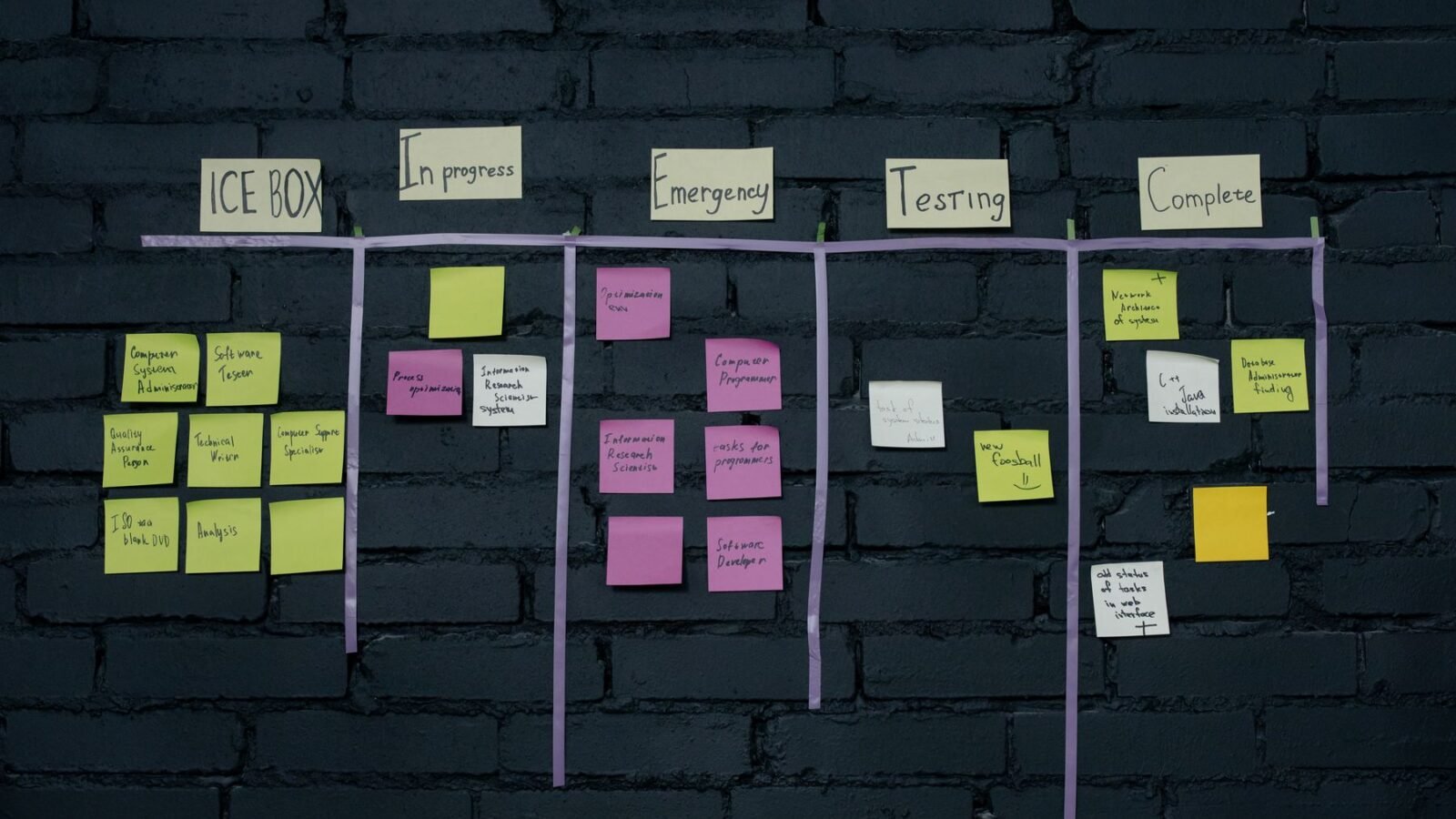
Almost every project starts well. The kickoff is energetic, the plan looks tidy, and everyone agrees on the dates. Then, somewhere around the third week, the first estimates meet reality and the plan quietly stops describing what is actually happening.
That moment is not a failure. It is information. The failure is what usually happens next: the team keeps reporting against the original plan while working to a different, unwritten one.
A plan is a set of guesses
Every date on a schedule is a guess about how long work will take, who will be available, and what will go wrong. Some guesses are good. Many are optimistic. Treating them as promises is what turns a normal adjustment into a crisis.
Plans are worthless, but planning is everything.
Dwight D. Eisenhower
What helps
- Plan the first few weeks in detail and the rest in outline. Detail far into the future is false precision.
- Hold a short re-planning session every two weeks. Make changing the plan a routine, not an admission of defeat.
- Track assumptions next to tasks. When an assumption breaks, you know exactly which dates move.
- Report the plan you are really following. Sponsors cope far better with early bad news than late surprises.
Week three is when a project tells you the truth about itself. The teams that deliver are the ones that listen.